







Search Results for: Single-origin blend

Black Coffee Bean Varieties | What's the Difference Between Single-Origin Pour-Over Beans and Espresso Blend Beans? Can Espresso Blend Coffee Beans Be Used for Pour-Over Black Coffee?
With the development of specialty coffee, more and more people are falling in love with single-origin coffee. Two types of coffee have emerged on the market: single-origin coffee beans and blended coffee beans. Single-origin coffee beans are generally used for making pour-over coffee, though many specialty coffee shops also use single-origin coffee beans to make espresso. Blended coffee beans [more…]
How to Choose Between Single-Origin, SOE, and Espresso Blend Coffee Beans? A Full Breakdown of Uses, Roasting, and Flavor Differences
Many coffee enthusiasts encounter a common confusion when selecting beans: what exactly is the difference between single-origin, SOE, and espresso blends? What scenarios does each suit? In fact, single-origin coffee beans emphasize traceable regional flavors, SOE is espresso made from single-origin beans, and blends are more like a creative combination that can both complement strengths and weaknesses and create entirely new flavors. From the perspective of Front Street, this article breaks down in detail the differences among the three in terms of definition, roasting logic, and practical uses, helping you more clearly understand the positioning of each type of bean and avoid falling into the misconception that "SOE is necessarily more premium than blends." [more…]
Single-Origin vs. Espresso Blend Beans: Can Blends Handle Pour-Over?
In today's world of increasingly popular specialty coffee, single-origin beans and blended beans each play an important role. The former is often used for pour-over, showcasing the terroir of its region; the latter is mostly used for espresso, pursuing stability and balance. But can blended beans really not be used for pour-over? And is it feasible to use single-origin beans for espresso? This article will, from the perspective of Front Street Coffee, deeply analyze the essential differences between the two, answer the feasibility of using blended beans for pour-over, and at the same time emphasize the importance of coffee bean freshness. Whether you are a pour-over enthusiast or an espresso player, you can gain practical ideas for choosing beans and brewing from it. [more…]
The Blending Principles and Purposes of Espresso Blend Coffee Beans, and Whether Blend Beans Are Suitable for Pour-Over Coffee
In the specialty coffee wave, single-origin beans and blended beans each have their own followers. Single-origin beans often appear in the pour-over realm, while blended beans mainly target espresso, safeguarding flavor consistency. But why exactly are beans blended? Can blends handle pour-over? And is it feasible to use single-origin beans for espresso? This article starts from Front Street Coffee's fresh-roasting philosophy, clarifies the conceptual boundaries between blends and single-origin, analyzes the process differences between pre-roast blending and post-roast blending, addresses the bean selection and roasting key points for SOE, and explains the rationale for using blended beans in pour-over along with Front Street's specific blending approach. [more…]
What coffee beans should you choose for espresso? Single-origin vs. blend differences, SOE key points, and Front Street recommendations
In the world of espresso, the choice of coffee beans often determines the foundation of a cup. The coffee beans commonly found on the market are broadly divided into two categories: single-origin and blends. The former emphasizes the terroir and character of a specific origin, while the latter pursues stability and balance of flavor. Many people wonder: can single-origin beans used for pour-over be used directly to make espresso? And can blend beans be used for pour-over? From the perspective of Front Street Coffee, this article sorts out the differences between single-origin beans and blend beans, the impact of freshness on flavor, and the considerations in bean selection and roasting for SOE, while also sharing the flavors of specific products such as Front Street Sunshine Blend, to help coffee lovers clarify their thinking and find the bean that suits their own espresso recipe. [more…]
What exactly is the difference between single-origin coffee beans and espresso blends? Can espresso be made with single-origin beans?
Friends who drink coffee regularly may have heard the terms single-origin beans and blended beans, but what exactly they refer to and how they differ is something many people may not be able to explain clearly. Simply put, single-origin beans come from a single region and can be traced to a specific estate or even a coffee farmer; blended beans are coffee beans from different regions or countries mixed together for a purpose. From the perspective of Front Street Coffee, this article sorts out the definitions of the two, the roasting differences, and the principles and techniques to master when blending, and introduces in detail the flavor characteristics and suitable scenarios of four Front Street products—Sunflower Warm Sun, Specialty Blend, Commercial Blend, and Dark Cocoa Blend—to help you understand whether espresso can be made with single-origin beans. [more…]
How is SOE different from espresso blends and pour-over single-origin coffees? A comprehensive analysis from flavor stability to extraction parameters
In recent years, the specialty coffee trend has driven the popularity of SOE, and many coffee enthusiasts are curious about how it differs from pour-over single-origin and traditional espresso blends. From the perspective of Front Street Coffee, this article first clarifies the definitions and roasting differences between single-origin coffee and SOE, then explains why SOE flavors tend to fluctuate and why Front Street has long favored blends and single-origin coffees, and finally provides specific brewing parameters and flavor descriptions for the sun-dried Huakui SOE and Front Street's classic blend, helping you judge whether SOE americano is actually good and how to make it at home without messing it up. [more…]
How Do Espresso Beans Differ from Single-Origin Beans? A Comprehensive Analysis from Blending Principles to SOE
Friends who often drink lattes and cappuccinos may never have thought that the coffee beans used in these drinks and the single-origin beans for pour-over actually follow two different paths. Espresso beans usually refer to the beans used to make Espresso, most of which are blends of coffee from multiple origins in specific proportions, though there are also SOEs made from single-origin beans. Single-origin coffee beans emphasize traceability to a single origin or variety, and are suitable for pour-over, cold drip, and similar methods. The two differ in bean selection, roast level, and flavor expression, and understanding their differences will help you make a more suitable choice based on your own taste and equipment. Starting from Front Street Coffee's actual products, the following article breaks down layer by layer the logic of espresso blending, the characteristics of SOE, and the impact of freshness on flavor. [more…]
A Detailed Explanation of the Four Core Principles of Blending Coffee Beans — The Main Differences Between Single-Origin Pour-Over Beans and Blended Beans
What exactly is the difference between single-origin coffee and blended coffee? Starting from definitions, this article systematically sorts out the four major basic principles of blending coffee beans: clarifying the purpose of the blend, determining the target flavor, choosing raw blending or roasted blending, and locking in the blending ratio. Using details as examples, the article explains how to create a distinctive flavor through combinations of beans from different origins and different processing methods. At the same time, it also shares brewing parameters for single-origin coffee and espresso extraction plans, making it suitable for enthusiasts who want to gain a deeper understanding of the logic behind coffee blending. [more…]
Can Espresso Beans Be Brewed as Pour-Over? A Full Analysis of the Differences Between Single-Origin and Blend Beans
Front Street often receives questions like these: Can dark-roasted espresso beans be used for pour-over? What exactly is the difference between single-origin beans and blended beans? In fact, the extraction method determines a coffee bean's positioning and roasting direction. Single-origin beans emphasize a clear expression of regional flavors and are mostly light-roasted; espresso beans are mainly blends, roasted on the darker side, pursuing stability and richness. The two also differ noticeably in grinding, parameters, and sales specifications. This article, from Front Street's perspective, will sort out the core differences between single-origin beans and espresso beans, and answer the adjustment ideas to note when using espresso beans for pour-over. [more…]
How Are Blended Coffee Beans Different from Single-Origin Coffee Beans? Which One Should You Choose for Making Americano
Walking into a coffee shop, you'll often see two options on the menu: blends and single-origin coffees. What exactly is the difference between them? Simply put, single-origin coffee comes from the same region or estate, with a distinct and distinctive flavor profile; blended coffee, on the other hand, combines beans from multiple origins in specific proportions, pursuing balance and consistency in taste. Blending is not random mixing—the blender must, like a painter mixing colors, let different beans complement each other's strengths and weaknesses. Single-origin beans, meanwhile, rely more on the roaster's skill to showcase regional characteristics. So when making an Americano, which is better tasting—a blend or a single-origin? This article will go through the differences between the two in terms of definition, roasting, extraction methods, and specific bean recommendations, and offer purchasing advice suitable for beginners. [more…]
Espresso Blend Bean Flavor Recommendations | What's the Difference Between Espresso Blend Beans and Pour-Over Single-Origin Beans? What Happens If You Use Espresso Beans for Pour-Over Coffee?
With the growing specialty coffee market, many people have begun to explore espresso and pour-over coffee. Coffee enthusiasts who regularly drink espresso know that the coffee beans used for espresso are blended coffee beans, while those used for pour-over coffee are single-origin coffee beans. So what is the difference between the two? Can espresso beans be used to make [more…]
Can Espresso Blend Beans Be Used for Pour-Over? A Comprehensive Analysis of the Differences Between Espresso Beans and Single-Origin Beans and Brewing Recommendations
In an era where espresso and pour-over coffee coexist, many enthusiasts wonder: what happens if you use espresso blend beans for pour-over? From the perspective of Front Street Coffee, this article sorts out the essential differences between espresso blend beans and single-origin beans, explores the feasibility and flavor performance of using espresso beans for pour-over, and provides specific pour-over parameter references. At the same time, the article also introduces the flavor characteristics and prices of several Front Street espresso blend coffee beans, helping readers make choices according to their needs. Whether you want to try a new approach or want to understand the art of blending, you can gain practical information from it. [more…]
Espresso Bean Selection Guide: Blend vs. Single-Origin Differences, Extraction Parameters, and Front Street Recommendations
To make a decent espresso at home, choosing the beans is the first step. Many people ask: can any coffee beans be used to extract espresso? In theory, both Arabica and Robusta can, but if you're after flavor, bean selection matters a great deal. Currently, the espresso beans commonly found in cafés fall into two main categories: blends and single-origin beans. Blends combine multiple beans to pursue stability and balance; single-origin beans emphasize the unique flavor of a particular region, known as SOE. This article starts with the difference between blends and single-origin beans, explains why blends are more stable, and specifically introduces the flavor and extraction suggestions for Front Street Coffee's Classic Blend, Strawberry Candy Blend, and Sun-Dried Red Cherry SOE. It also provides reference parameters such as dose, yield, and time to help you find an espresso solution that suits you. [more…]
Blend vs. Single-Origin Coffee Beans: Can Espresso Blends Be Used for Pour-Over?
Many coffee enthusiasts are skeptical of blended beans, believing they are less pure than single-origin beans. In reality, blended coffee beans are not a product of compromised quality, but rather a clever approach that combines multiple beans to achieve cost control, flavor consistency, and enhanced layers of taste. From the perspective of Front Street, this article clarifies the essential differences between single-origin beans and blended beans, explains that blended beans are suitable not only for espresso but also for pour-over, moka pot, and other brewing methods, and specifically introduces two products—Front Street Classic Blend and Front Street Strawberry Candy · Geisha Blend—demonstrating how blending can achieve an effect where 1+1 is greater than 2. [more…]

Single-Origin, Specialty, and Blended Coffee Beans: A Full Guide from Origin Traceability and SCA Scores to Espresso Blends
Single-origin, specialty, and blended coffee beans differ in their conceptual levels, quality standards, and brewing methods. Single-origin coffee emphasizes the traceability of a single origin or even a single estate, allowing drinkers to clearly understand where the flavors in their cup come from; specialty coffee, building on single-origin, adds the SCA scoring threshold, with certification granted only at 80 points or above, and microclimates and soil and water conditions are indispensable. Blended coffee, meanwhile, involves the roaster combining beans from different origins, pursuing balance and consistency in flavor while also reducing costs. This article systematically sorts out the definitional boundaries and characteristic differences of the three, and, in conjunction with Front Street Coffee's specific products, helps coffee enthusiasts build a clear cognitive framework. [more…]
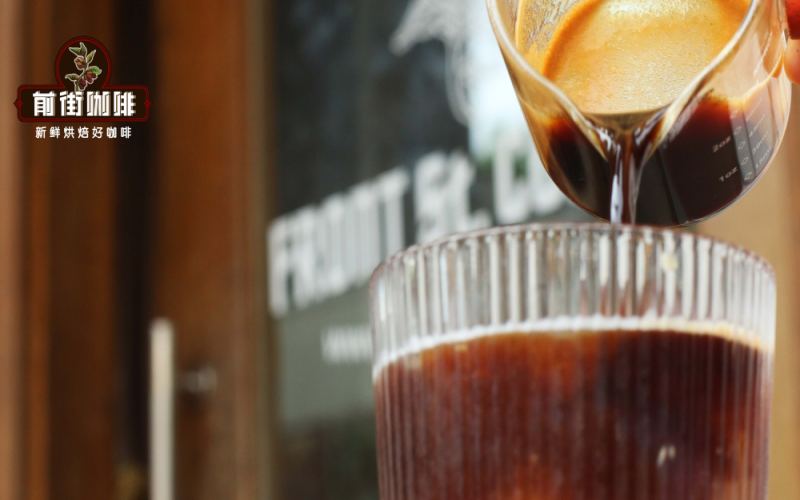
SOE Latte Flavor Characteristics | What Is the Relationship and Difference Between SOE Coffee Beans and Pour-Over Single-Origin Beans? Which Tastes Better, Blended Espresso or Single-Origin Espresso?
For more specialty coffee knowledge, please follow our WeChat public account: FrontStreet Coffee. Some people believe that espresso made from single-origin coffee beans (SOE/Single Origin Espresso) must necessarily be better than [more…]
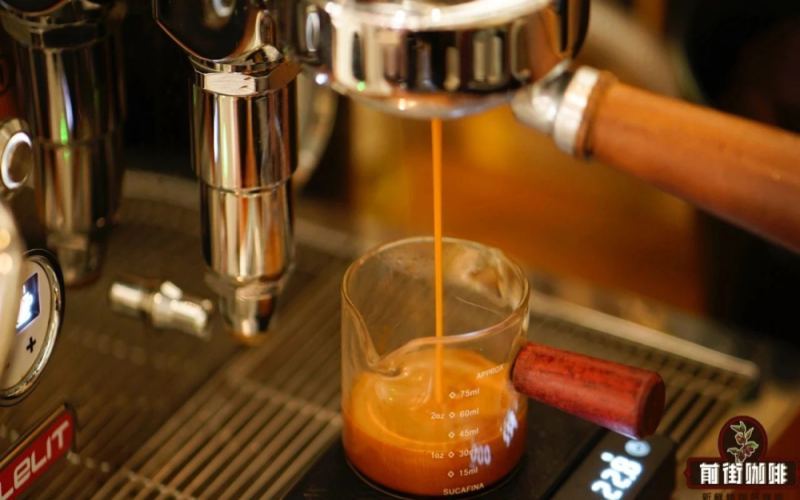
How Are Espresso Blends Different from Single-Origin Coffee Beans? A Complete Guide to the Basics for Beginners
Friends who are new to coffee often can't tell the difference between single-origin beans and espresso blends. This article systematically sorts out the core differences between these two types of coffee beans, from definitions and naming methods to flavor characteristics and practical application scenarios. Single-origin coffee emphasizes the regional flavor of a single origin, and is usually drunk without sugar or milk; blended coffee, on the other hand, pursues a balanced and rich taste by mixing multiple kinds of beans, and serves as the base for fancy coffee drinks. The article also introduces in detail the recipe concepts, flavor performance, and suitable scenarios of Front Street Coffee's five espresso blends, helping coffee lovers make the right choice according to their own needs. [more…]
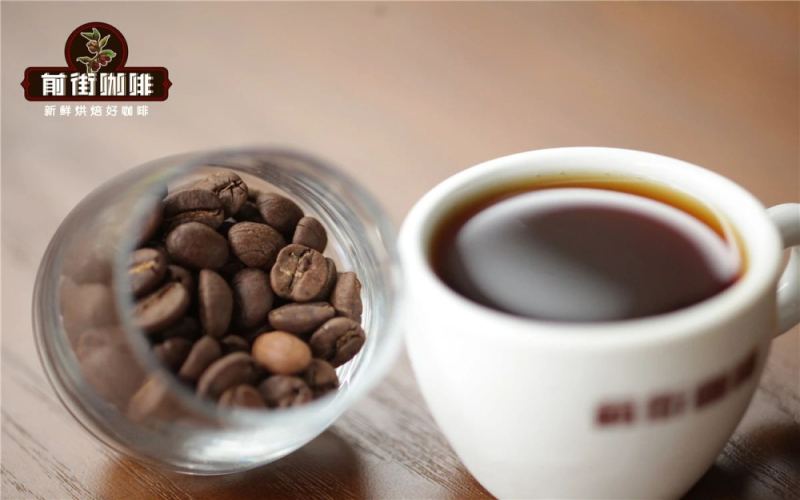
SOE Single-Origin Espresso vs. Espresso Blend Beans: Which Is Better? A Comprehensive Analysis from Definitions to Front Street Coffee Bean Selection Advice
Since the rise of specialty coffee in China, the debate over whether espresso should use single-origin beans or blended beans has never ceased. The SOE camp emphasizes the pure quality of single-origin specialty beans, while the blend camp values the balance and crema performance brought by blending multiple origins. This article will start with the full name and origin of SOE, review the historical milestone of James Hoffmann winning the 2007 WBC with single-origin beans, analyze why blended beans were once stigmatized, and explain the pros and cons of each. At the same time, drawing on the views of Front Street Coffee, it offers selection advice for coffee shops and home users, and finally includes specific flavor information for Front Street's recommended SOE coffee beans and three espresso blends, helping readers build a more complete understanding. [more…]
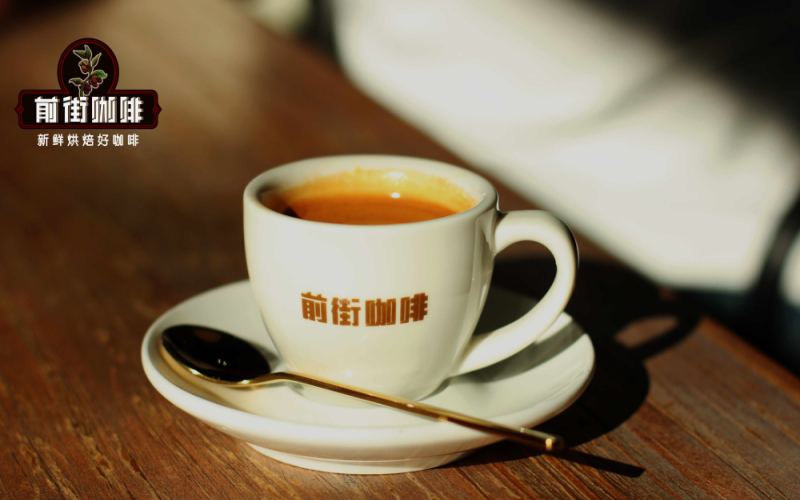
Which single-origin coffee beans are suitable for making SOE? A core analysis of the differences between specialty beans like Yirgacheffe and blended beans
SOE stands for Single Origin Espresso, and in recent years it has become increasingly popular in the specialty coffee world. It uses single-origin beans instead of traditional blends, extracting under high pressure with an espresso machine to present distinct regional flavors. Blends focus on stability and balance, while single-origin beans emphasize personality and distinctiveness. This article will systematically sort out the concept of SOE, its differences from blends, and recommend three Front Street Coffee beans suitable for making SOE—Yirgacheffe Red Cherry, Mozart, and Golden Mandheling—while also introducing three Front Street Coffee espresso blends: Black Cocoa, Classic, and Commercial, to help coffee lovers find the choice that suits them. [more…]